0:00
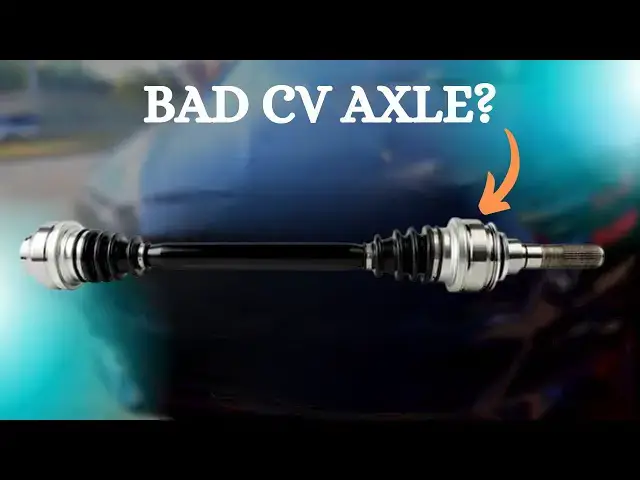
a CV axle also known as a half shaft is
0:02
a crucial component in the drivetrain of
0:05
vehicle in this video we will deeply
0:08
explain the symptoms of a bad CV axle or
0:14
joint the CV axle of your vehicle
0:16
transmits power from the transmission to
0:18
the wheels and allows the wheels to flex
0:21
when you turn left and
0:23
right the CV axle is a stabilizing drive
0:26
axle that is located between the drive
0:31
it works with the suspension system to
0:33
compensate for Road irregularities and
0:35
transmit torque to the
0:39
wheels symptoms of a bad CV axle One
0:46
noises one of the most common signs of a
0:49
failing CV axle is a clicking or popping
0:53
turning CV joints are designed to
0:56
provide flexibility while transmitting
0:58
power when they wear out or suffer
1:01
damage they can produce audible clicking
1:04
noise this noise may become clear while
1:07
turning it low speeds two vibration or
1:11
shaking vibration or shaking sensation
1:14
particularly during acceleration it
1:16
could be a sign of a damaged CV joint or
1:20
axle this symptom may become more
1:24
speeds three grease on the inside of the
1:27
wheel grease splattering on the inner
1:29
portion of the tires suspension parts
1:32
ground or around the axle shaft is a
1:35
visible sign of a damaged CV
1:37
boot if you notice grease on the inside
1:40
of the wheel or around the axle shaft it
1:43
may indicate a CV joint problem four
1:46
axle shaft play excessive play or
1:49
movement in the axle shaft indicates a
1:51
problem with the CV joint or the
1:53
connection between the CV axle and the
1:56
Hub ideally the axle shaft should be
1:59
firmly connected Ed without any
2:00
noticeable play five hard steering a
2:04
damaged CV axle can affect your
2:06
vehicle's ability to steer
2:08
properly the CV axle is integral to the
2:11
steering system and any issues with the
2:13
CV axle can result in uneven or
2:17
steering this symptom is often more
2:22
turns six thuing or clunking sounds a
2:25
damaged CV joint can produce thuing or
2:27
clunking sounds especially during
2:32
deceleration as the CV joint wears out
2:35
the tolerances between its components
2:37
increase leading to excessive movement
2:39
in the production of thuing or clunking
2:42
sounds these noises may become more
2:44
pronounced as the damage
2:47
progresses seven visible damage to the
2:49
CV joint or boot if you can visually
2:52
inspect the CV axle check for any
2:55
visible damage to the CV joint or the
2:57
boot a cracked or torn boot is often a
3:00
precursor to CV joint
3:03
failure eight uneven tire
3:06
wear a failing CV axle can cause uneven
3:10
wear if you notice that the tread on one
3:13
or more tires is wearing down more
3:15
quickly than the others it may be due to
3:17
a problem with the CV
3:20
axle thanks for watching the video and
3:23
don't forget to subscribe the